
I’ve been living in Germany for about three months now, and I’ve spent much of that time sampling the incredible variety of restaurants in the area. The food here is fantastic—fresh, flavorful, and often surprising. I started out with the traditional German places. As expected, there were schnitzel options galore, along with pasta, pizza, and hamburgers. Classic stuff. Nothing too shocking.

But what really caught my attention was the sheer number of ethnic restaurants, each more exciting than the last. I set out on a grand culinary adventure, ready to experience the world’s flavors right here in Rhineland-Pfalz. My first stop: a Korean restaurant. I ordered some of the best bulgogi I’ve ever had, accompanied by an assortment of traditional pickled vegetables and a perfectly crispy dumpling. The menu featured bibimbap, kimchi stew, and—nestled right in the middle of all this delicious Korean food—schnitzel.
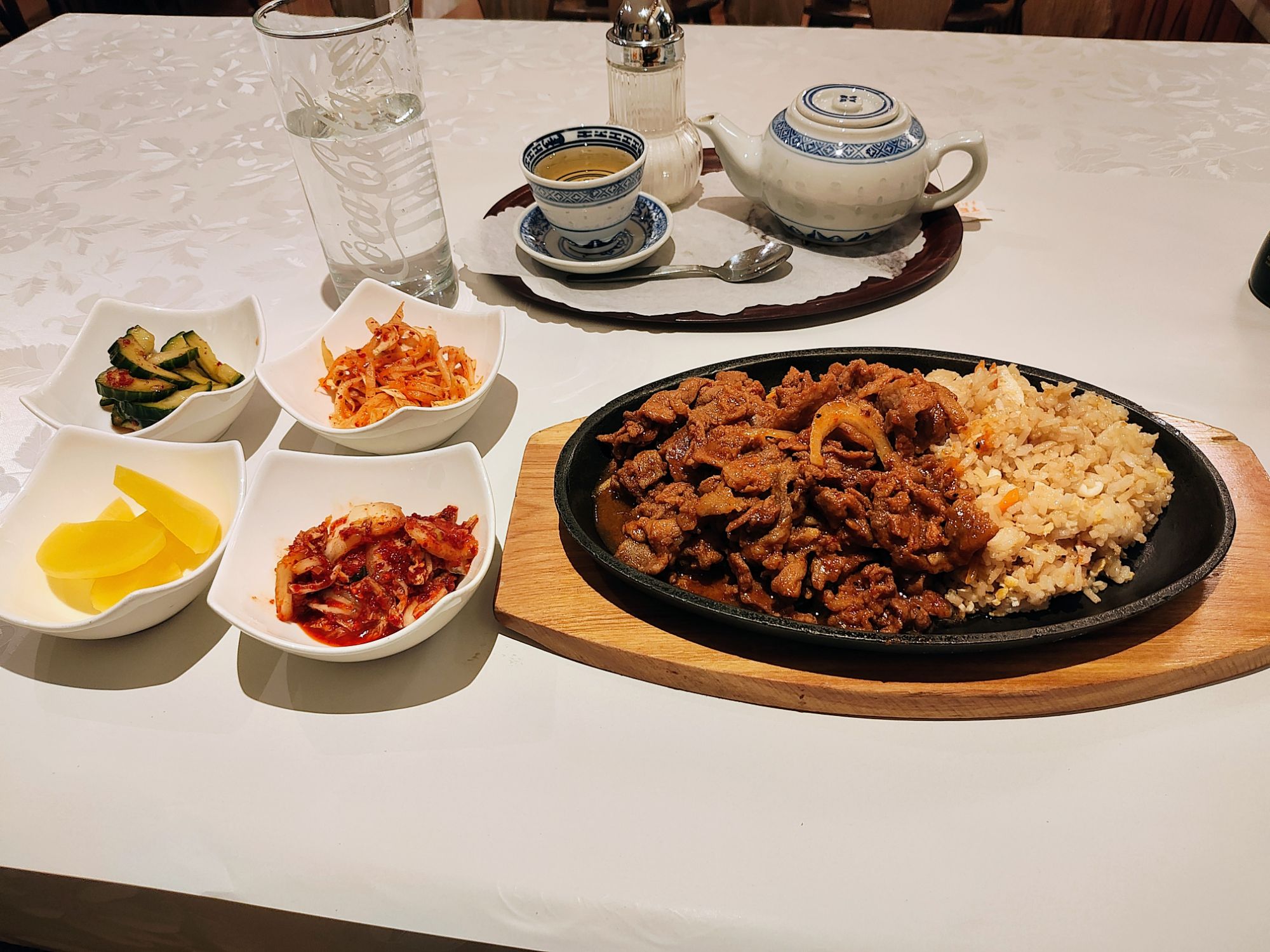
I thought, Well, that’s a little odd, but okay. It’s Germany. Maybe it’s just a backup option for those who panic at the sight of kimchi.
Then I went to a Spanish tapas place, which felt like a slice of Madrid had dropped right into Rhineland-Pfalz. They had divine patatas bravas and papas arrugadas con mojo, which were crispy, salty, and drizzled with a heavenly sauce. The octopus was tender and cooked to perfection. There were paellas, a robust wine list… and schnitzel. Just sitting there on the menu between the tapas platter and the seafood paella like it belonged.

This couldn’t be a coincidence.
I moved on to an Asian fusion spot, hoping for some clarity. The menu offered a promising selection: sushi, duck curry, ramen, pho. Everything looked fantastic. I was just about to order when my eyes drifted toward the bottom of the page. There it was again. Schnitzel.

Next, I tried an Italian restaurant, eager for a little taste of Italy. They did not disappoint. The fish was beautifully cooked, the handmade pasta was silky and fresh, and the tiramisu was rich and perfectly balanced—not too sweet, with just the right hint of espresso. For a moment, I was transported to a trattoria in Rome. Then I saw it. Schnitzel. Tucked onto the menu right after the pasta and risotto, bold as anything.


At this point, I was starting to sweat. Was schnitzel… following me?
After I moved to my village, I continued my quest, determined to find one, just one, ethnic restaurant that didn’t serve schnitzel. I started with the Döner kebab place down the street. Their döner was top-notch, and the pizza was surprisingly good. I scanned the menu. Döner. Salads. Pizza. And… schnitzel.
By now, I’d accepted that schnitzel was lurking on every menu in Germany, but I still held out hope for the Indian restaurant in the next village. Surely there, of all places, I’d be safe. The samosas were fresh and perfectly spiced, the curries rich and warm, and the naan wonderfully soft and garlicky. I felt a glimmer of hope—until I turned the page of the menu and saw it. Schnitzel.

At that moment, I knew: There is no escape from schnitzel.
And it’s not even ethnic schnitzel. There’s no curry schnitzel at the Indian restaurant, no panko-crusted schnitzel at the Japanese place, and certainly no tapas-style schnitzel at the Spanish joint. Just plain, unassuming, traditional German schnitzel. A default meal, the culinary equivalent of the “In Case of Emergency” option that exists in every restaurant in Germany.
At first, I thought this must be some kind of backup plan—for people who show up at a Vietnamese restaurant, stare at the menu, and panic. “I don’t know what pho is… Better order the schnitzel!” But now, I think it’s something bigger than that. Schnitzel is more than just a meal—it’s a constant. Like gravity. Or the tax office. You don’t question it; you just accept it.
And the more I think about it, the more I realize: Schnitzel isn’t on the menu because it belongs there. It’s on the menu because it always has been—and always will be.

Just when I thought I couldn’t take it anymore, I found myself at a vegan café, confident that this would finally be a schnitzel-free zone. I ordered an oat milk latte and glanced at the menu. My heart stopped.
There it was. Tofu schnitzel.
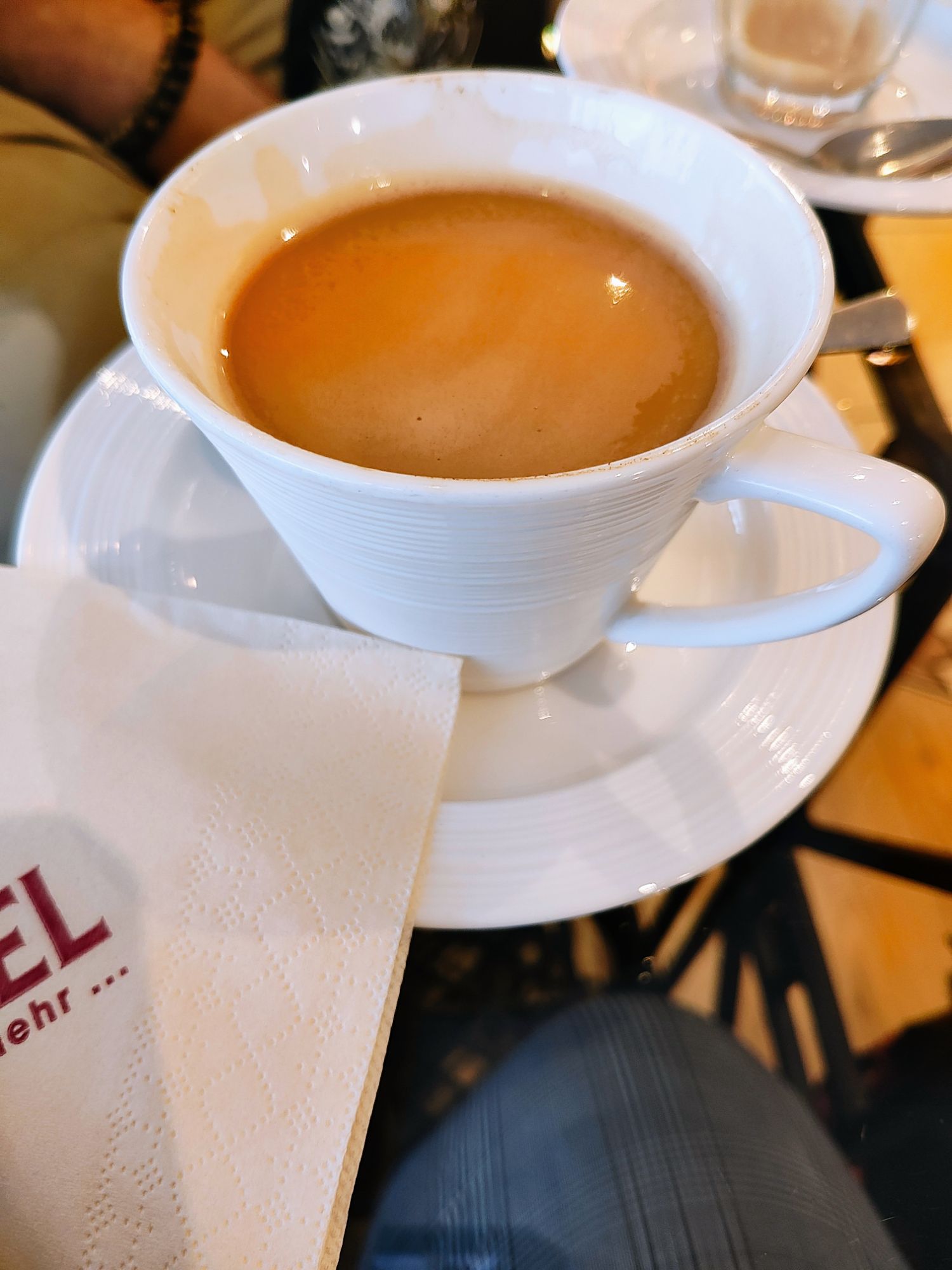
I stared at the menu in disbelief. It was then I realized: The schnitzel had won.
But I couldn’t let it end like this. If schnitzel was everywhere—lurking at tapas bars, haunting Asian fusion spots, and infiltrating Indian restaurants—then there was only one place where I could face it at its purest form.
I went back to the original German restaurant, the place where it all started. I sat down, looked the menu straight in the eye, and ordered the schnitzel. Not out of desperation, but out of a strange sense of duty. If I was going to understand this phenomenon, I had to go back to the root of the chaos.
The waiter nodded, as if he knew this moment was inevitable. A few minutes later, the schnitzel arrived—a golden, perfectly breaded cutlet, served with lemon and a side of crisp fries. It looked… innocent.
I took a bite.
It was glorious. The crust was light and crispy, the meat tender and perfectly seasoned. The lemon added just the right amount of brightness. For a moment, everything in the world made sense.
And that’s when it hit me. Schnitzel isn’t a backup plan or a conspiracy. Schnitzel is a test.
It waits for you, quietly, on every menu, knowing that sooner or later you’ll give in. It lingers there, patient and confident, because it knows that once you finally take that bite, you’ll understand: schnitzel isn’t following you.
You’ve been following schnitzel.
It was never about escape. It was about acceptance.


 Margarine is Murder
Leave a reply to Timothy Price Cancel reply