This morning, I set out with a plan: to hike to the Roman ruins atop the Große Berg just south of Kindsbach. The day began with a bright but overcast sky, a cool stillness promising an ideal atmosphere for exploration.
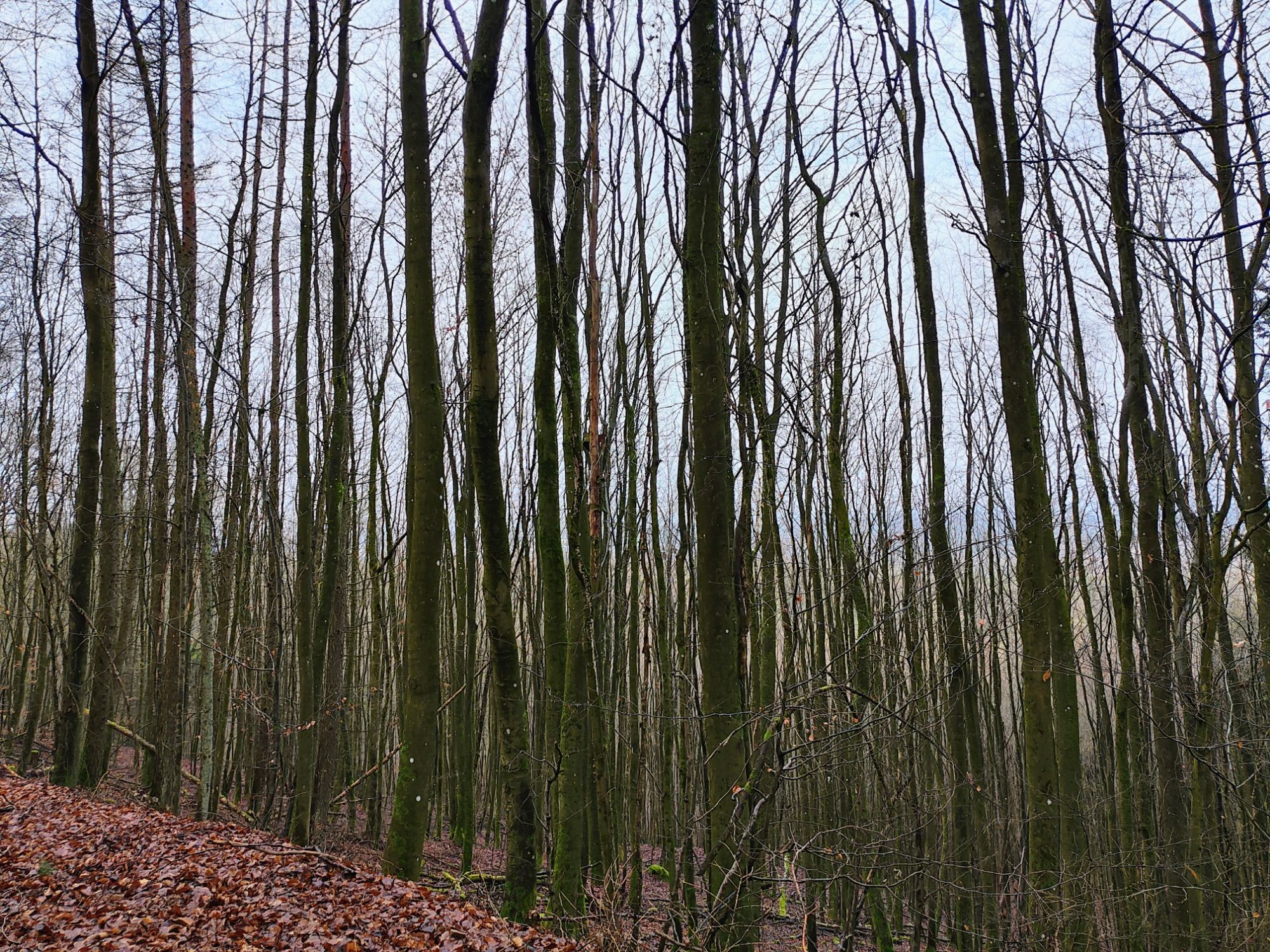
The first leg of the hike was straightforward, leading to a small log cabin off a logging-road-turned-hiking-trail. It wasn’t much to look at, more functional than enchanting, but it marked the starting point of the true adventure.
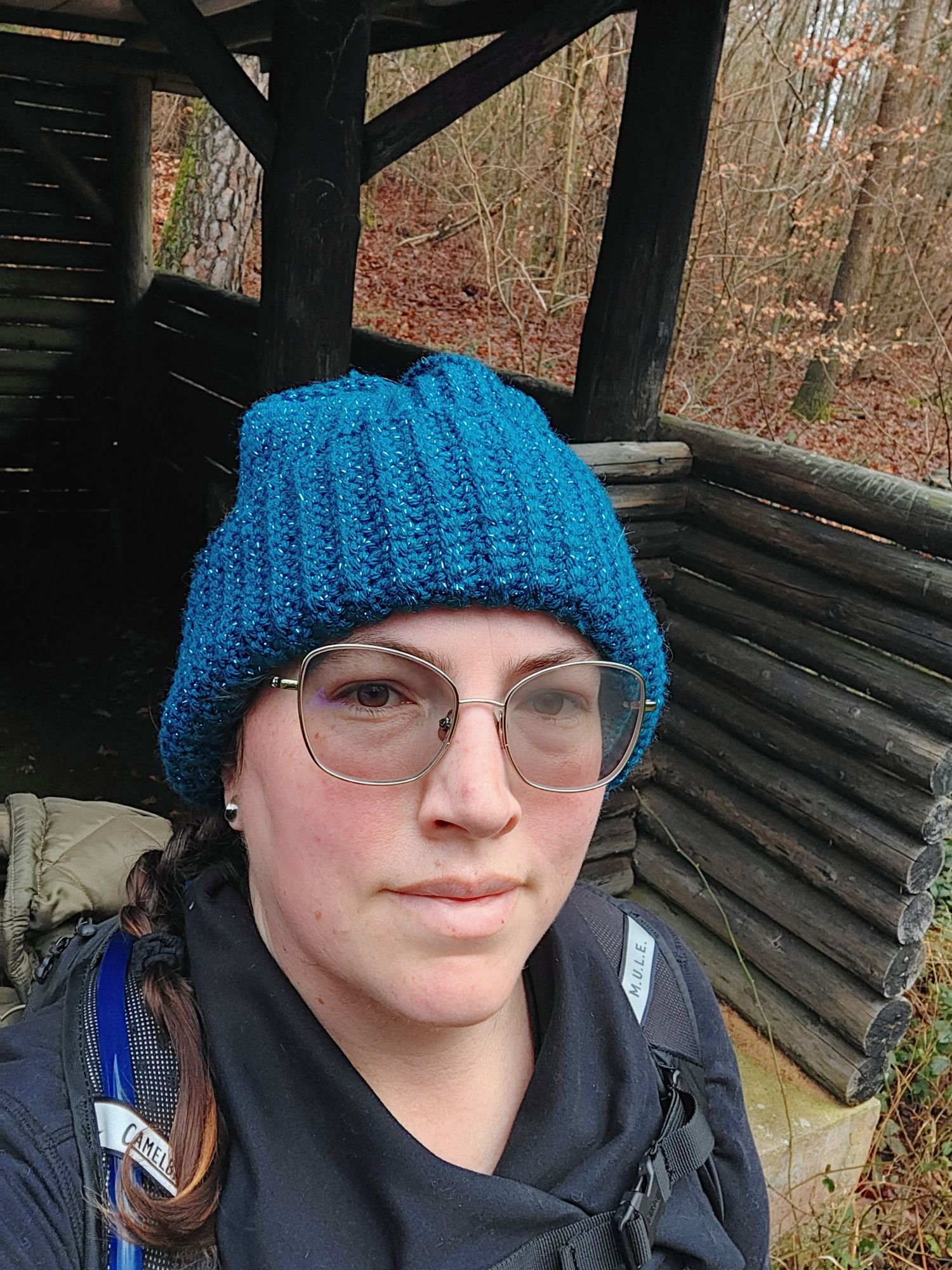
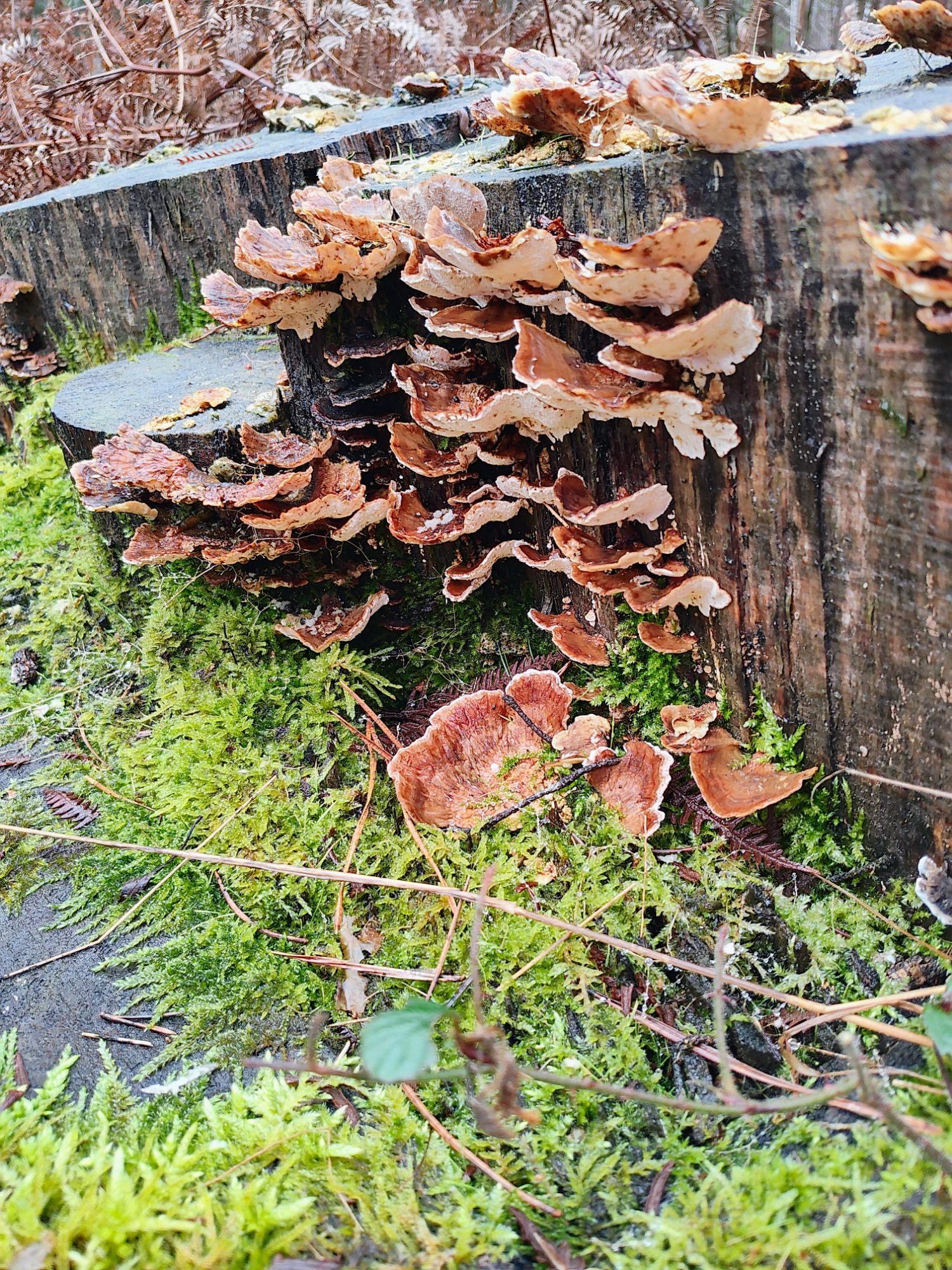
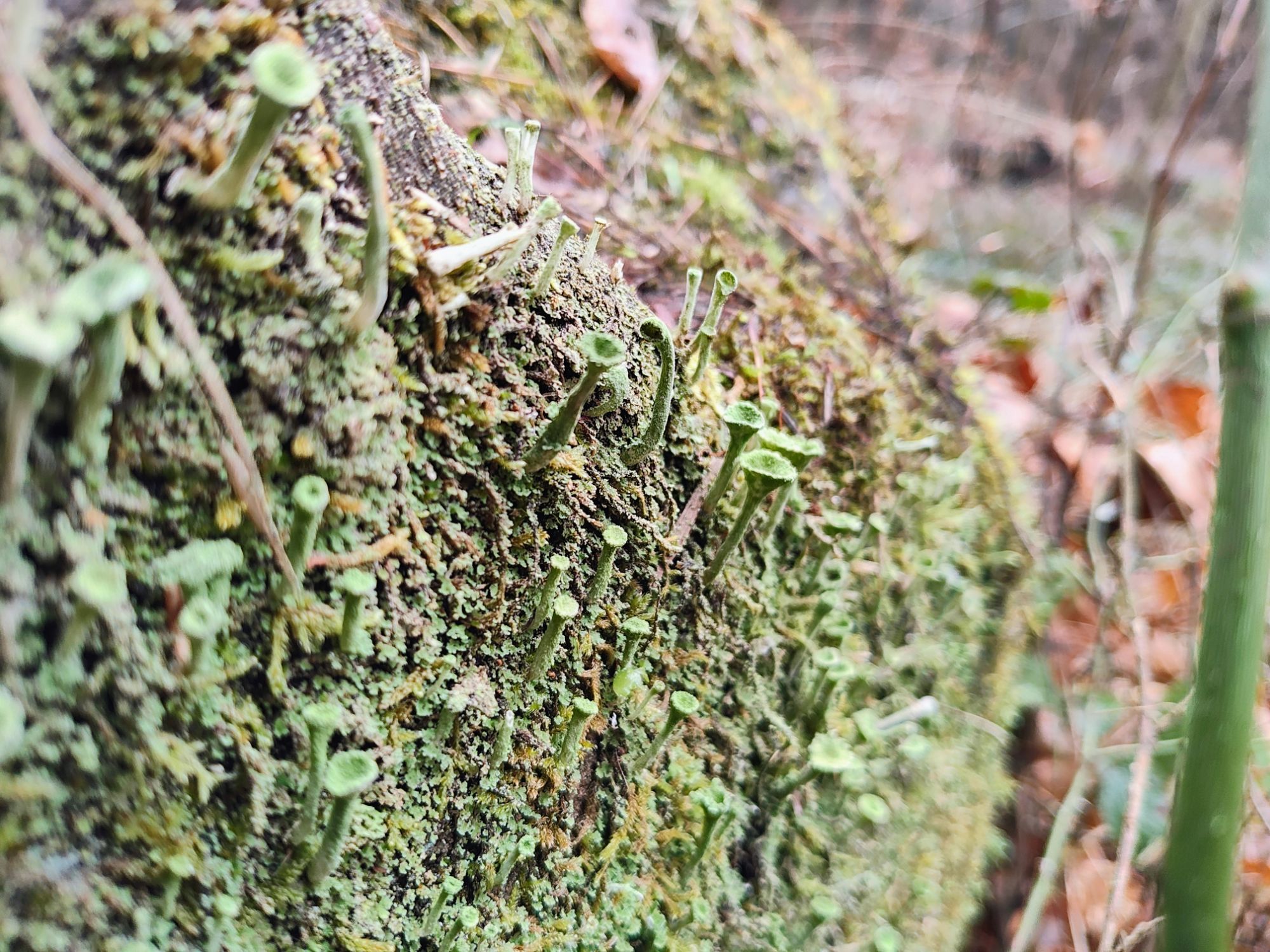
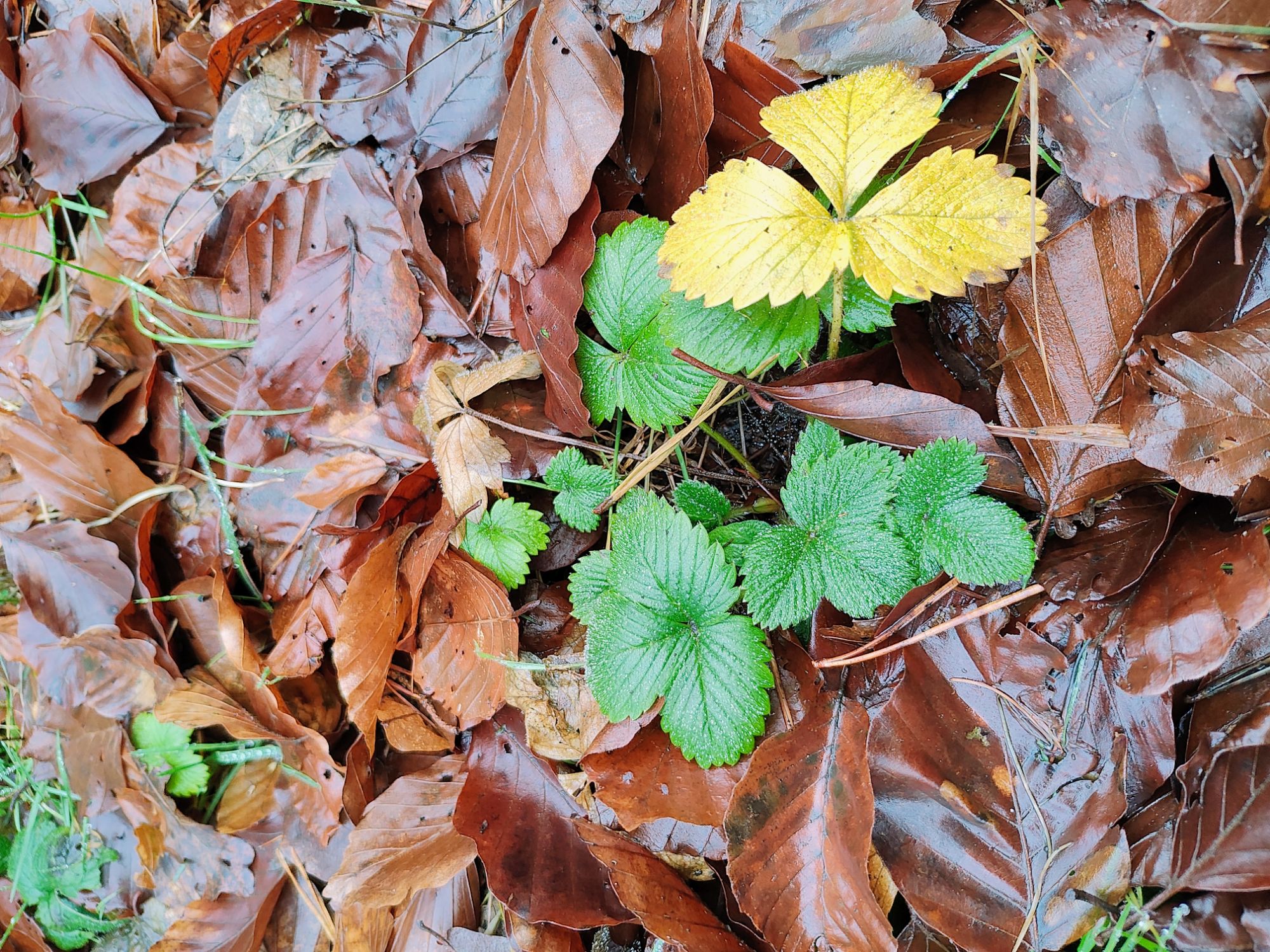
The trail loop to the Roman ruins quickly lived up to its reputation for steepness, winding upward through a forest alive with subtle wonders. The air was crisp, carrying the faint scent of pine. Along the path, wild strawberries peeked out from the undergrowth, their vibrant leaves adding splashes of green to the muted palette of fallen brown leaves that crunched softly beneath my steps. Toadstools dotted the cut-down logs, like tiny umbrellas left behind by woodland creatures. I couldn’t resist running my fingers over the young pine trees as I passed, their soft needles a gentle reminder of the forest’s resilience and growth.
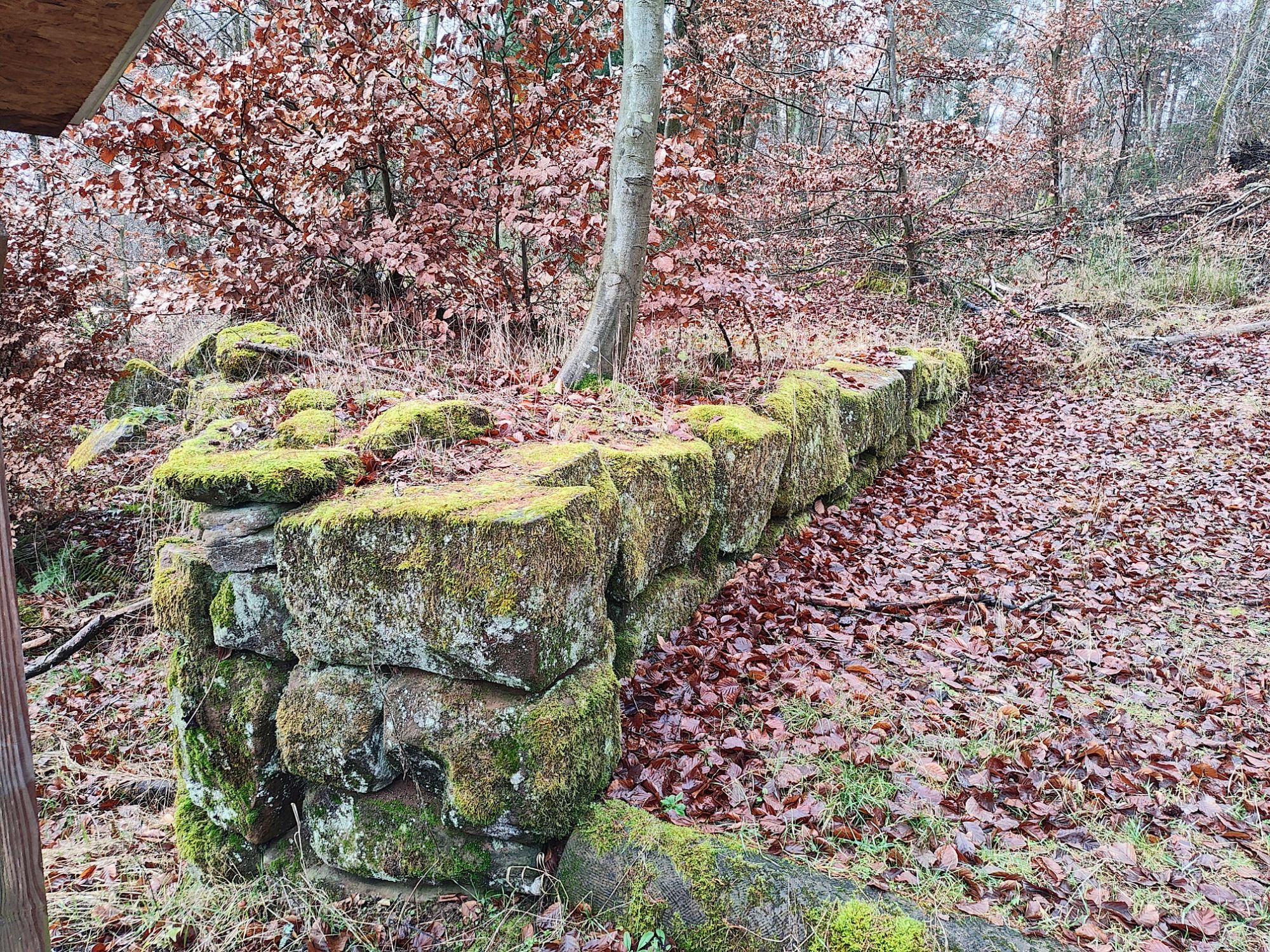
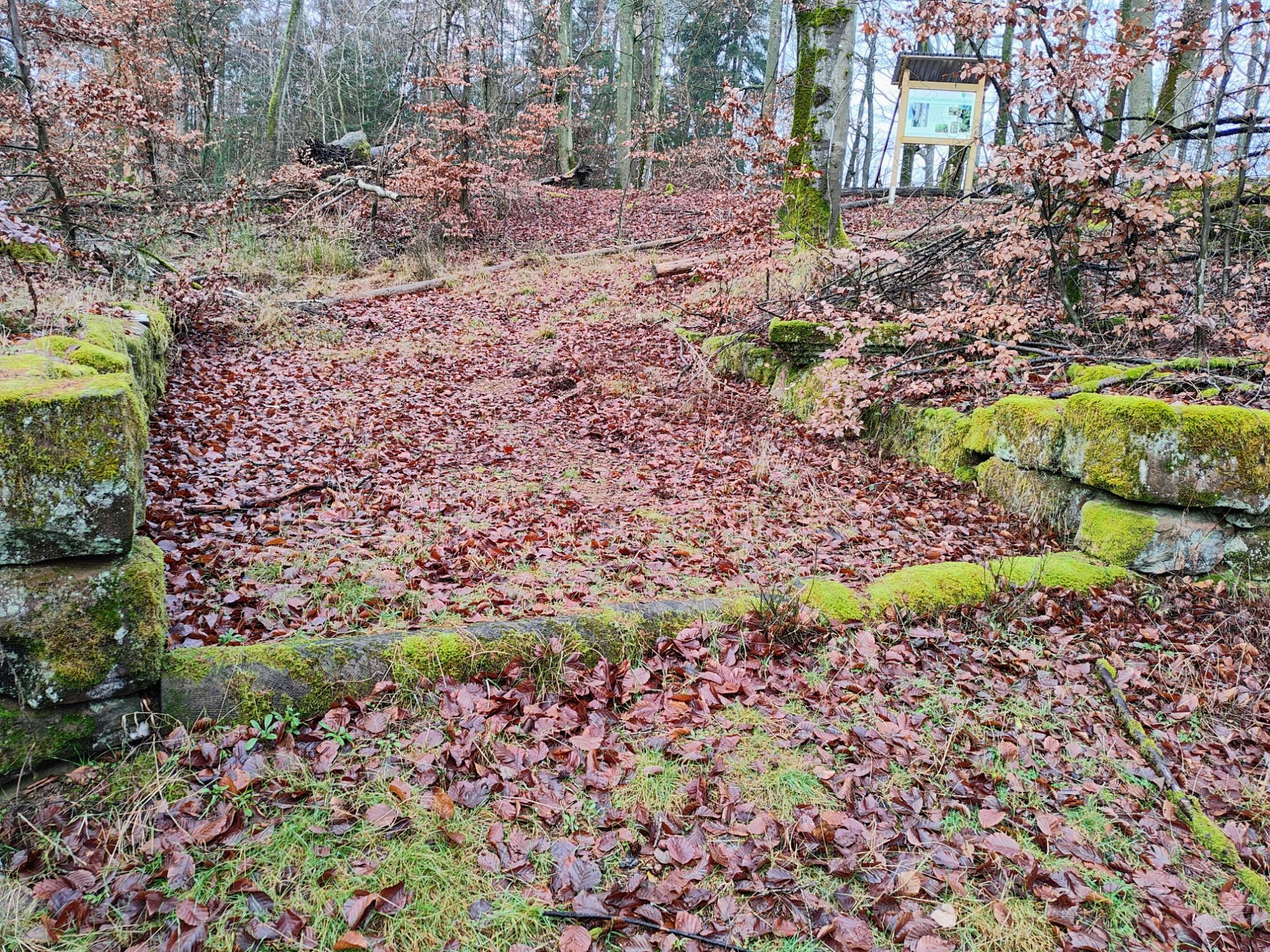
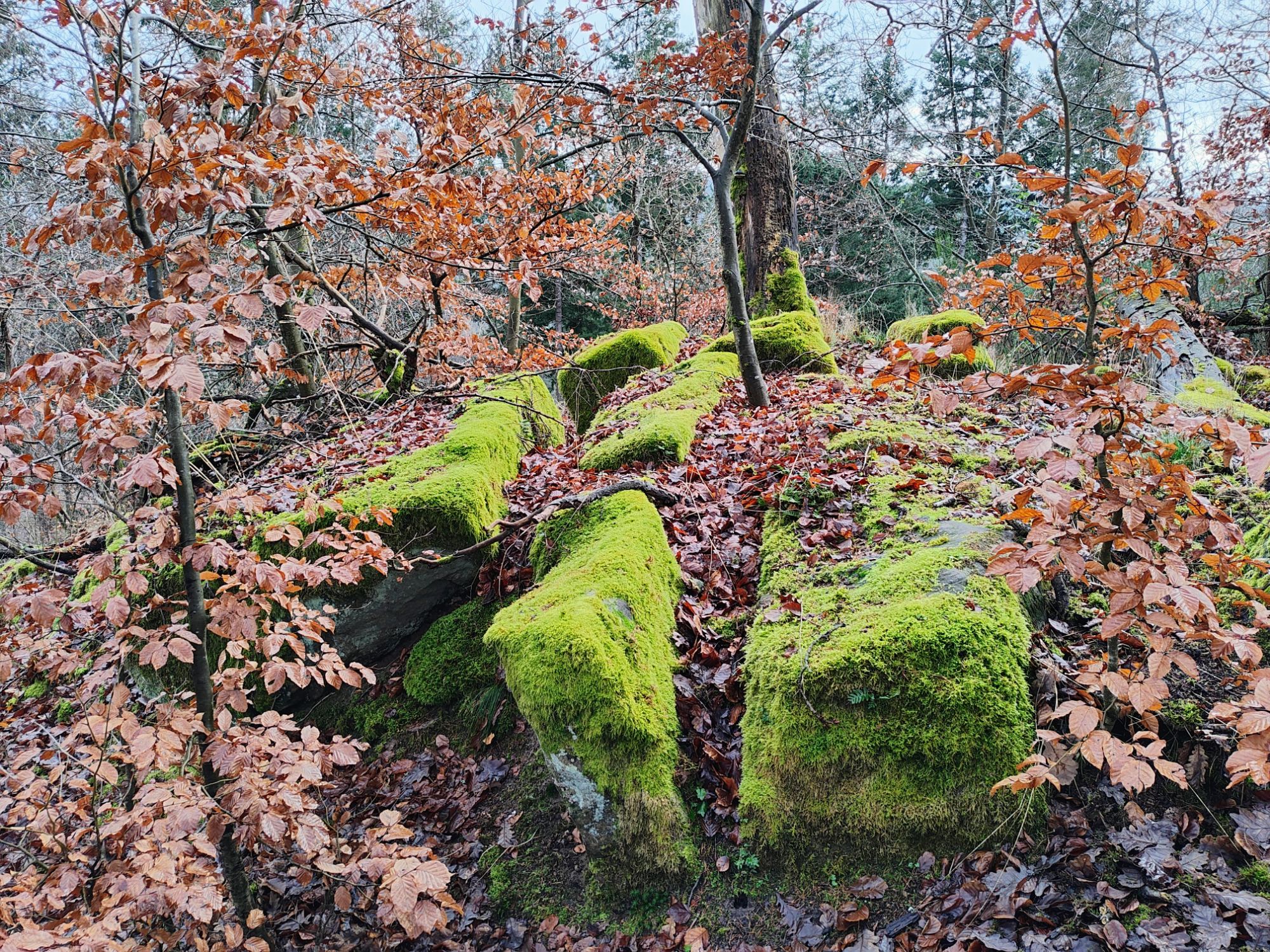
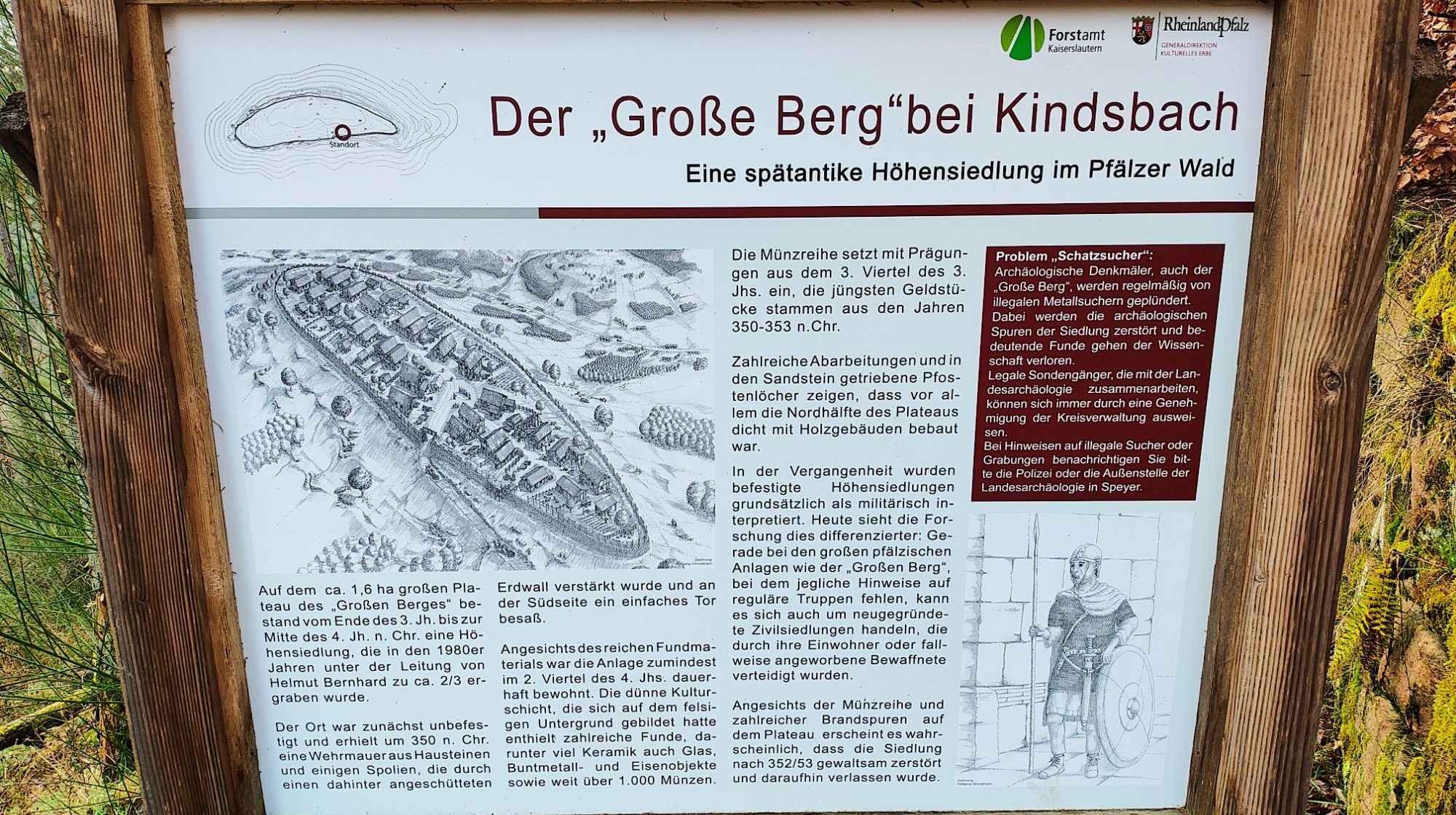
At the summit, the Roman ruins awaited: a short wall and an entrance, their weathered stones whispering of a long-lost settlement from around 350 AD. The illustrative sign brought the site to life, showing what once stood in this commanding spot. I later learned that the settlement had been occupied for about a century before meeting a mysterious, violent end. It was hard not to imagine the lives lived here, the stories now lost to time.
On the descent from the Great Mountain loop, I was greeted by a sound that pierced the quiet forest with joyful clarity: the church bells from Landstuhl. Their exuberant chimes echoed through the trees, filling the stillness. I paused to listen until the bells faded back into silence.
The hike could have ended there, but it felt too brief, too incomplete. Consulting my map, I found another point of interest: Burg Perlenberg, a small castle ruin perched atop an even steeper hill.
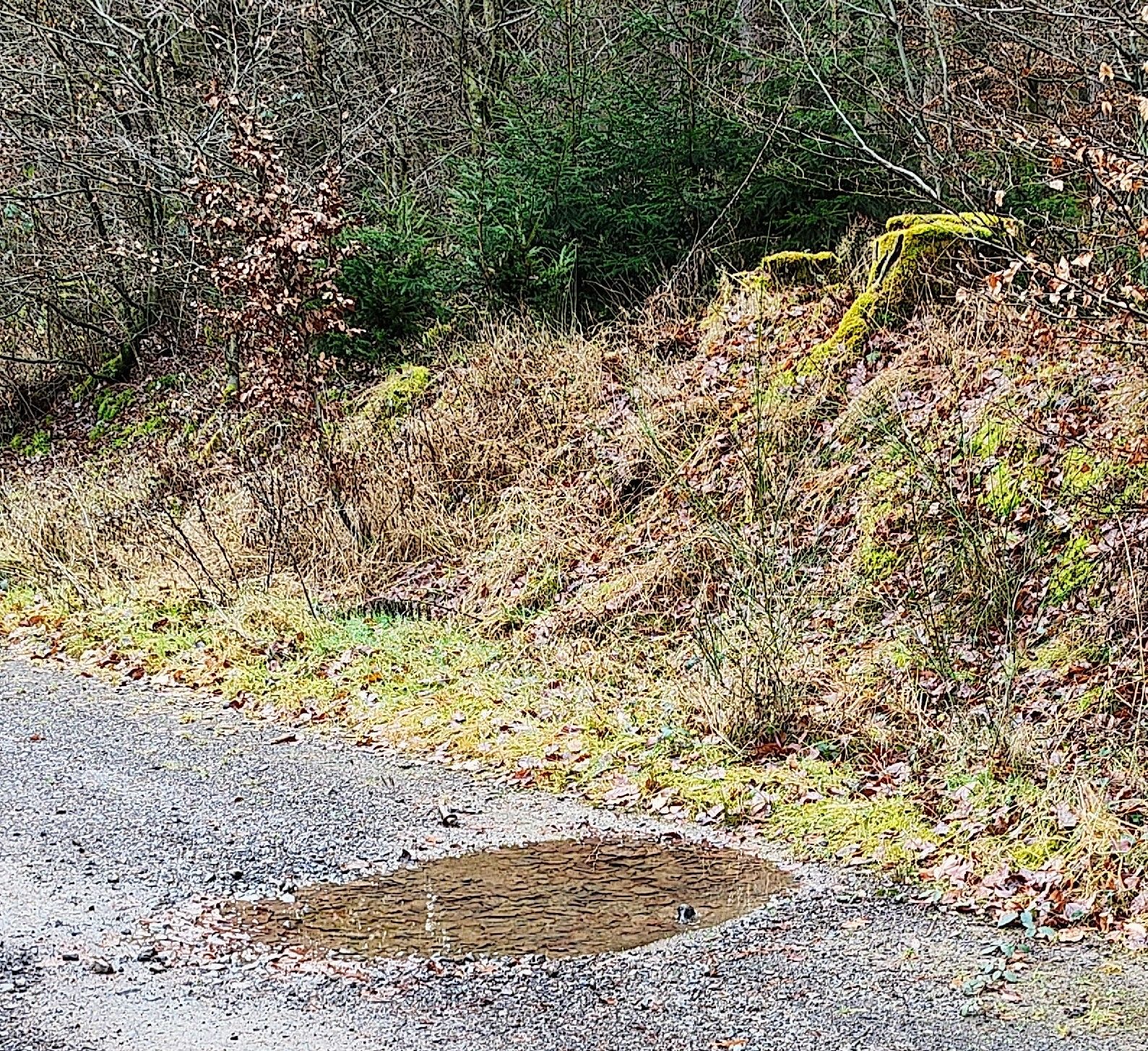
The path to Burg Perlenberg was enchanting. Nuthatches flitted about, their delicate forms darting from branch to branch. I watched as a few splashed playfully in a puddle. A woodpecker’s rhythmic tapping echoed faintly in the distance, and the sun made a fleeting appearance, illuminating the forest with a soft golden light.
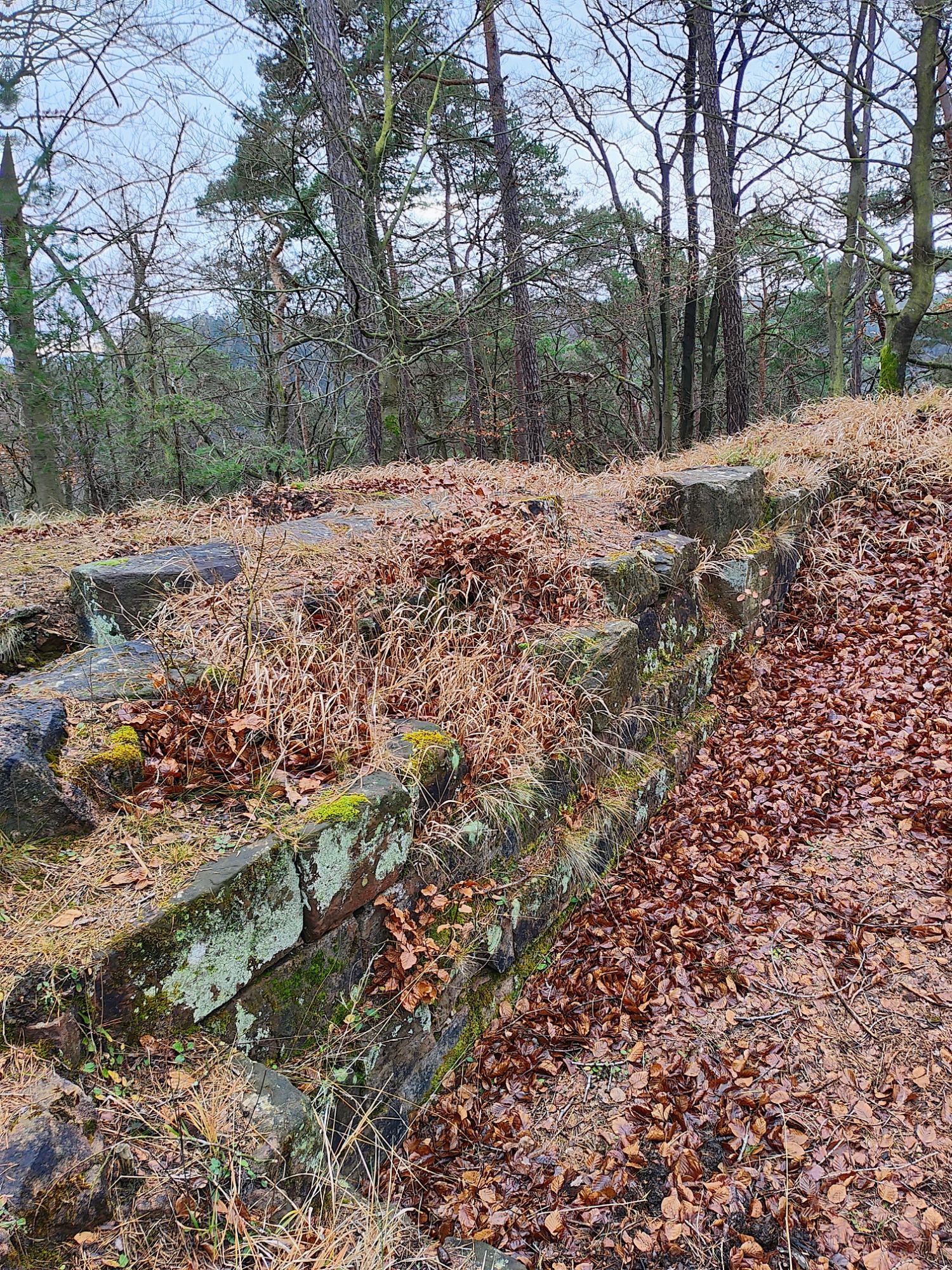
The climb to the castle was no easy task. The incline demanded focus, and I found myself searching for a sturdy walking stick among the fallen branches. When I found one, it felt as though the forest itself had offered it to me, a quiet acknowledgment of my determination. The ruin was small, the actual castle or keep was hard to imagine. Built around 1100, the remaining stones were remarkably well hewn, their craftsmanship defying the centuries. Some believe the castle was never finished, an enigma left to weather the ages, it’s true name lost to time.
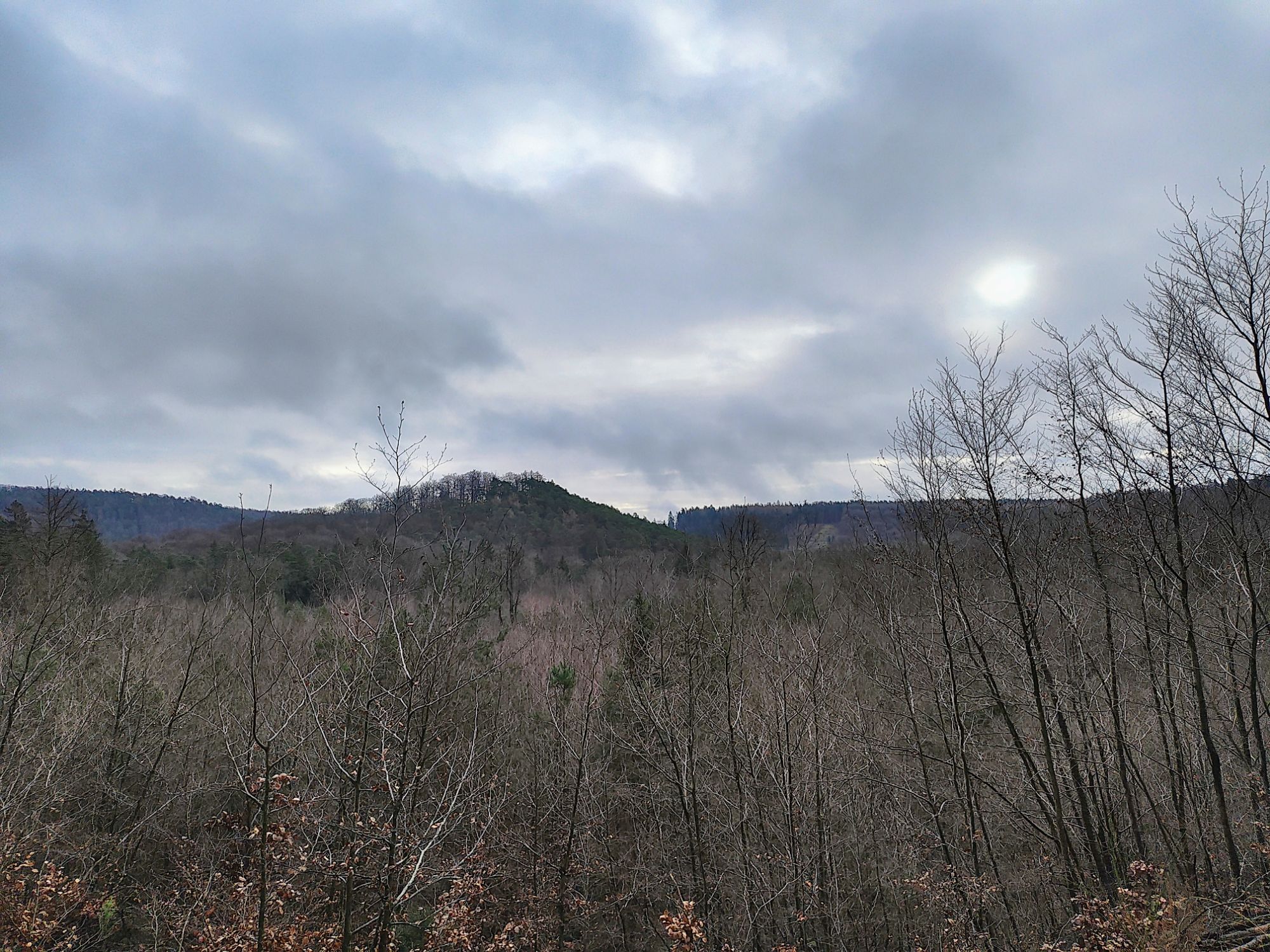
On the way down, I returned the walking stick to the forest, leaving it near a cluster of moss-covered trees and whispering my thanks for its assistance. By then, the clouds had returned, blanketing the forest in a hushed stillness. The descent felt peaceful, a gentle conclusion to the day’s effort.
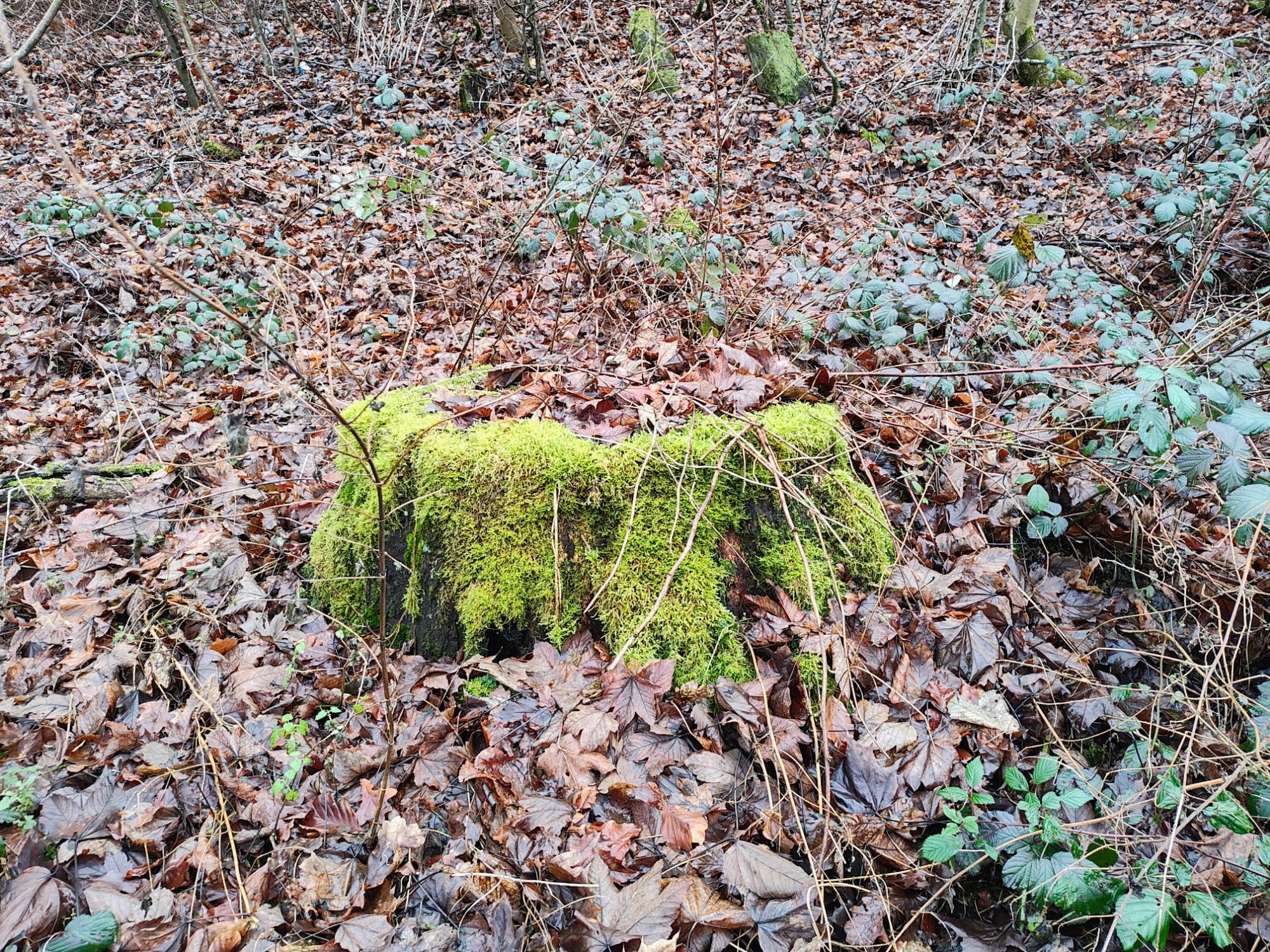
All told, I covered 4.6 miles in about an hour and a half. The hike was a blend of history, nature, and a touch of quiet introspection. Each step brought me closer not just to these ancient sites, but to a deeper appreciation for the stories etched into the landscape, both those of the people who lived here long ago and my own fleeting moments among the trees.


 Margarine is Murder
Leave a reply to Nume Cancel reply